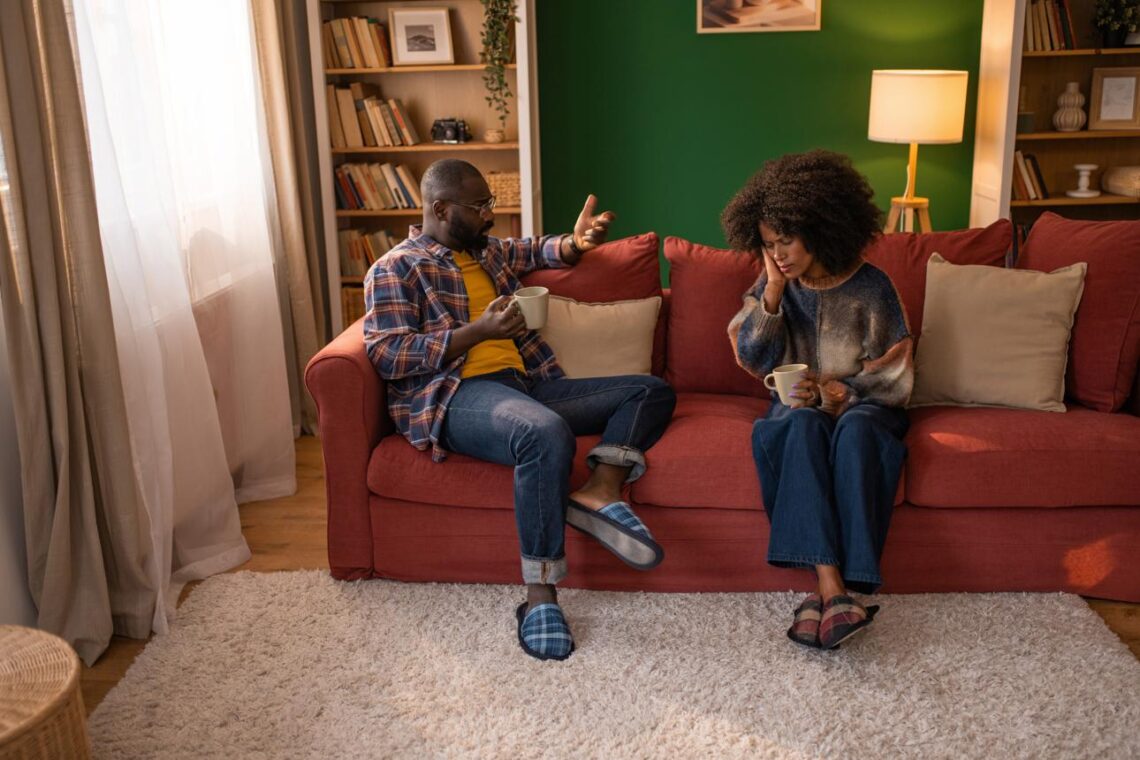
Can we talk about how marriage can completely change your perspective on people? Marriage has a way of revealing who we really are.
Before marriage, most of us are putting our best foot forward. We dress up, plan thoughtful dates, communicate carefully, and try to show the most attractive version of ourselves. Sometimes this happens intentionally, and other times we do it without even realizing it. We want to be liked, loved, and accepted.
The problem is that some people become so focused on being the ideal partner that they never show who they truly are.
As a result, someone ends up falling in love with a version of a person that doesn’t fully exist.
Then marriage happens.
You move in together. The wedding excitement fades. Daily life begins. Bills arrive. Responsibilities increase. Then children enter the picture, and suddenly the relationship is operating under a level of pressure it has never experienced before.
This is where people truly discover each other.
The habits that seemed cute while dating can become irritating. The personality traits that were hidden behind romantic gestures become impossible to ignore. You begin to see how your partner handles stress, responsibility, conflict, finances, parenting, and everyday life.
Marriage has a way of exposing character.
One of the biggest shifts often happens when children arrive.
Before kids, many couples have more flexibility. If both partners are tired after work, they can order takeout. If the house is messy, they can clean it over the weekend. If they want to spend the entire Saturday relaxing, nobody is depending on them.
Children change that equation completely.
A child requires attention every day. Meals need to be prepared. Laundry piles up faster. Sleep becomes a luxury. School routines, doctor’s appointments, and countless small responsibilities suddenly become part of everyday life.
This is where many relationships are tested.
Often, one partner begins to feel overwhelmed because they are carrying most of the mental and physical load of running the household. They are remembering appointments, planning meals, helping with homework, cleaning, working, and trying to keep everything functioning.
The frustration grows when that person feels like they are parenting not only the children but also their spouse.
Many women in particular reach a point where they realize they don’t simply need a provider or a roommate—they need a true partner.
This realization becomes even stronger when both partners are working and contributing financially to the household. If a woman is helping to pay the bills, build the family finances, and support the household, she naturally begins to expect equal participation in other areas of family life.
The expectation is no longer just financial contribution.
It becomes about shared responsibility.
Who is helping with the children?
Who is preparing meals?
Who notices when groceries are running low?
Who takes responsibility when the child is sick?
Who helps maintain the home?
These questions become important because family life requires teamwork.
This is often where conflict begins.
If one partner believes that household chores and parenting should automatically fall on the other person despite both contributing financially, resentment can start to build. Over time, unresolved resentment becomes one of the most dangerous threats to a marriage.

The truth is that modern relationships require constant negotiation and communication.
Every family is different. Some couples prefer traditional arrangements where one person provides financially while the other manages the home. Others prefer splitting responsibilities equally. Neither model is automatically right or wrong.
The real problem occurs when expectations are mismatched.
If one partner expects a traditional marriage while the other expects a modern partnership, both people may feel disappointed and misunderstood.
Marriage forces these conversations to happen.
It forces us to examine our assumptions about gender roles, parenting, finances, and partnership.
It also reveals our personal habits.
Take something as simple as cleanliness.
A woman who has always kept her home neat may suddenly find herself frustrated living with a partner who leaves clothes on the floor, forgets dishes in the sink, or doesn’t notice clutter. During the dating stage, these habits may never have been visible. Once you share a home, they become part of daily life.
The same can be true in reverse. One partner may discover that the other is controlling, disorganized, overly critical, or unwilling to compromise.
Marriage shines a spotlight on everything.
The challenge is deciding which differences can be accepted, which require compromise, and which need serious discussion.
The healthiest couples are not necessarily the ones who have no problems. They are the ones willing to communicate honestly, adjust where necessary, and work together toward solutions.
Love may bring two people together, but partnership is what keeps them together.
At the end of the day, marriage is less about finding a perfect person and more about discovering whether two imperfect people can build a life together.
The honeymoon stage eventually ends for everyone. What remains is character, communication, respect, and teamwork.
And perhaps that is the true test of marriage—not whether you can love someone at their best, but whether you can grow together once you finally see each other as you really are.