Before I became a mother, I never understood how much motherhood could change friendships. Motherhood and friendships have stages in life.
Back then, meeting up with friends was easy. A simple phone call could turn into coffee, lunch, or an evening out. We could spend hours talking about work, relationships, dreams, or simply laughing about life. If someone suggested a spontaneous hangout, the answer was usually yes.
Then motherhood happened.
Suddenly, my priorities shifted in ways I never imagined. My schedule was no longer my own. Every decision revolved around nap times, feeding schedules, school runs, and making sure tiny humans were happy and safe.
One of the biggest surprises wasn’t just how motherhood changed me—it was how it changed my friendships.
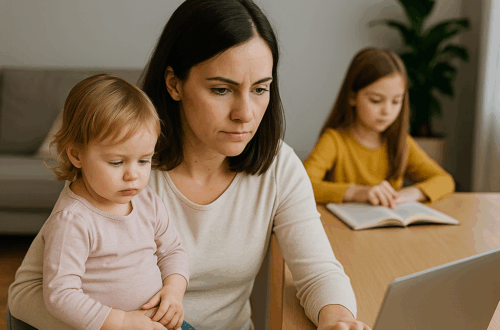
If you’ve ever tried calling a friend who is a hands-on mom, you’ll know exactly what I mean. Rarely do you get her undivided attention. You’ll hear little voices in the background asking for snacks, toys dropping on the floor, cartoons playing, or someone shouting, “Mommy!”
It’s not because she isn’t listening.
It’s because motherhood rarely allows uninterrupted conversations.
Of course, there are parents who spend very little time with their children, but for mothers who are actively raising their kids, uninterrupted conversations are a luxury. Sometimes answering a phone call means talking while preparing dinner, folding laundry, calming a tantrum, or chasing a toddler who has somehow managed to climb onto the kitchen counter.
Motherhood teaches you how to multitask like never before.
Unfortunately, this change in communication can slowly create distance in friendships.
There are conversations that simply cannot happen over rushed phone calls or text messages between diaper changes. Some feelings require eye contact, hugs, and sitting across from someone who genuinely wants to listen.
Social media doesn’t help either.
Most of us only post the beautiful moments. We share family photos where everyone is smiling, vacations, birthdays, and milestone celebrations. Rarely do we post the sleepless nights, the anxiety, the tears, or the moments when we feel completely overwhelmed.
Even when someone shares that they’re struggling online, it can be difficult to know whether they’re asking for help or simply expressing a temporary emotion.
Looking at someone’s Instagram or Facebook profile can easily make you believe they have everything under control.
The truth is often very different.
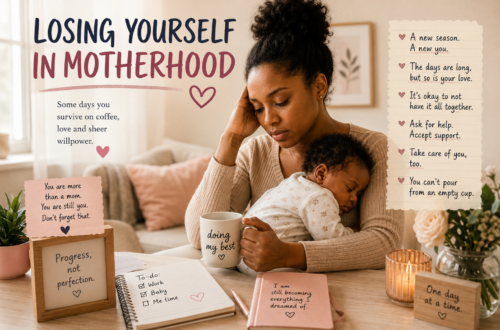
I remember being deep in what I now call the trenches of motherhood.
From the outside, I probably looked like I was coping just fine. I posted pictures with my children, smiled when people asked how I was doing, and carried on with life.
Inside, however, I felt incredibly lonely.
There were days I cried almost every day.
Not because I didn’t love my children—I loved them more than words could ever describe—but because I was exhausted, overstimulated, and emotionally drained.
Finding reliable childcare became one of my biggest challenges. With two toddlers, I struggled to find the right nanny, and every time one left, it felt like my entire world had been turned upside down.
To make things harder, I didn’t have the support of close relatives. I didn’t have a mother or a sister to call for advice or encouragement. Every stage of motherhood felt new, unfamiliar, and sometimes frightening.
It often felt like I was raising my children with only God and Google to guide me.
Whenever I reached out to friends hoping for a listening ear, our conversations often revolved around completely different seasons of life. They wanted to talk about dating, work, travel plans, or how busy they were. While those conversations weren’t wrong, they made it difficult for me to express what I was carrying.
Sometimes I simply needed someone to ask, “How are you doing?”
Not, “How are the kids?”
Motherhood can sometimes make women feel invisible.
Sadly, many mothers experience this quiet loneliness.
Some become overwhelmed and simply survive one day at a time until their children grow older. Others silently struggle with anxiety or depression while convincing the world that everything is okay.
This is why friendships during motherhood are so important.
Every mother deserves friends who understand that life looks different now.
Friends who don’t mind visiting your house instead of expecting you to go out.
Friends who happily say, “Bring the kids along.”
Friends who understand that plans may change because a child suddenly developed a fever or refused to nap.
Friends who check in even when you disappear for weeks.
If you have a friend who recently became a mother, don’t assume she’s too busy for friendship.
Reach out.
Send a message.
Offer to visit.
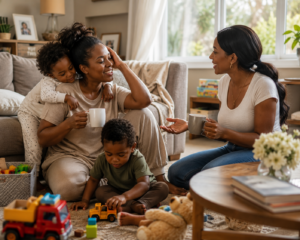
Sometimes the greatest gift you can give a mother isn’t advice—it’s simply reminding her that she hasn’t been forgotten.
Motherhood should never mean the end of your social life.
Yes, friendships change, but they don’t have to disappear.
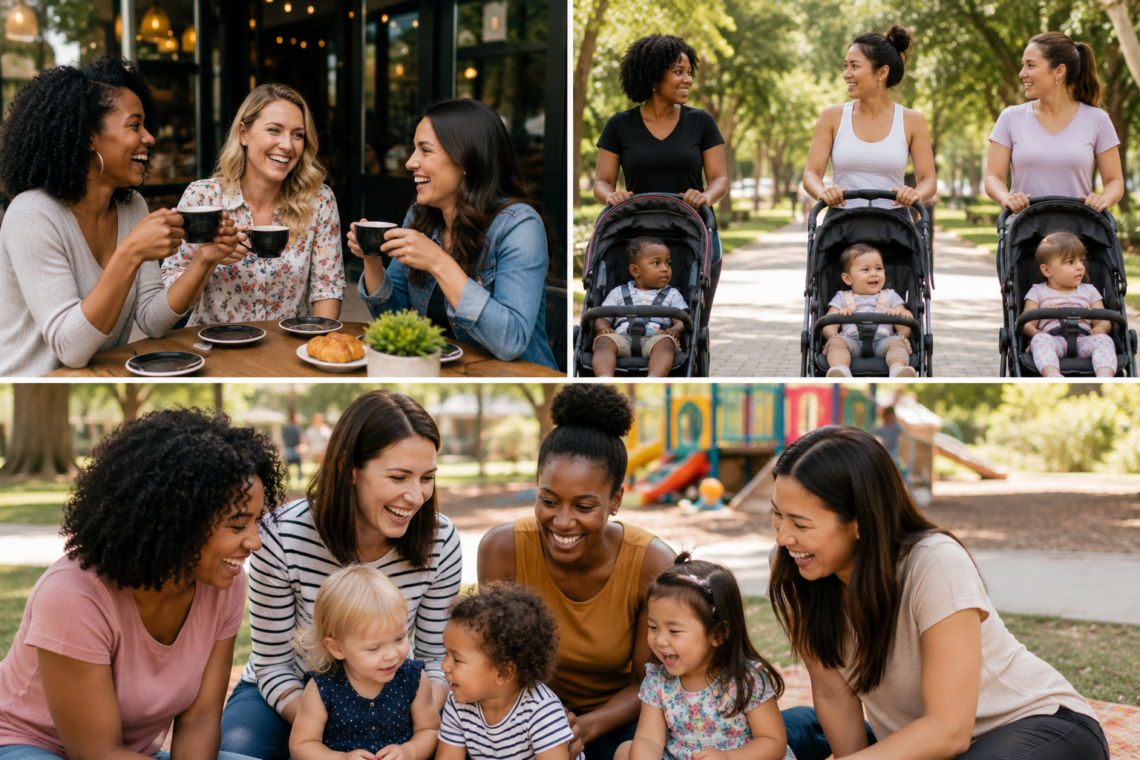
And if your old friendships naturally drift apart because people are in different seasons of life, don’t be afraid to build new ones.
Some of the strongest friendships are formed after becoming a parent.
You might meet another mom at church, at the gym, during a school event, at a playgroup, or even while waiting for your child at swimming lessons.
These friendships often come with a different kind of understanding because you’re living similar experiences.
You don’t have to explain why you’re tired.
You don’t have to apologize because your child interrupted the conversation five times.
They simply get it.
And if making friends feels difficult because you’re naturally introverted, remember that spending time alone can also be restorative.
Take yourself on a solo coffee date.
Visit a spa.
Watch a movie.
Walk through a museum.
Spend an afternoon in a park with a good book.
Even a few uninterrupted hours can help you reconnect with yourself.
Most importantly, don’t spend every free moment doom-scrolling through social media comparing your life to everyone else’s highlight reel.
Instead, invest that time in activities and relationships that fill your cup.
Motherhood changes many things, including friendships, but it doesn’t have to leave you lonely.
Sometimes all it takes is one genuine friend, one honest conversation, and one reminder that while you are raising little people, you are still a person too.
And you deserve to be cared for just as much as everyone else.